EPC Ratings for Sunderland Home Buyers
03 Nov 2026
What Does an EPC Tell You When Buying a Home in Sunderland?
An Energy Performance Certificate, or EPC, tells you how energy efficient a home is and suggests ways to improve it. If you’re buying a home in Sunderland, it can help you look beyond the asking price and think about what it might cost to live there. The letter rating is useful, but the details tell you much more.
At Peter Heron, we’ve helped people move across Sunderland for more than 60 years. As a family-run estate agency with offices on Fawcett Street and Sea Road in Fulwell, we know that choosing a home involves practical details as well as first impressions. Its energy performance is worth considering too.
What the EPC rating actually means
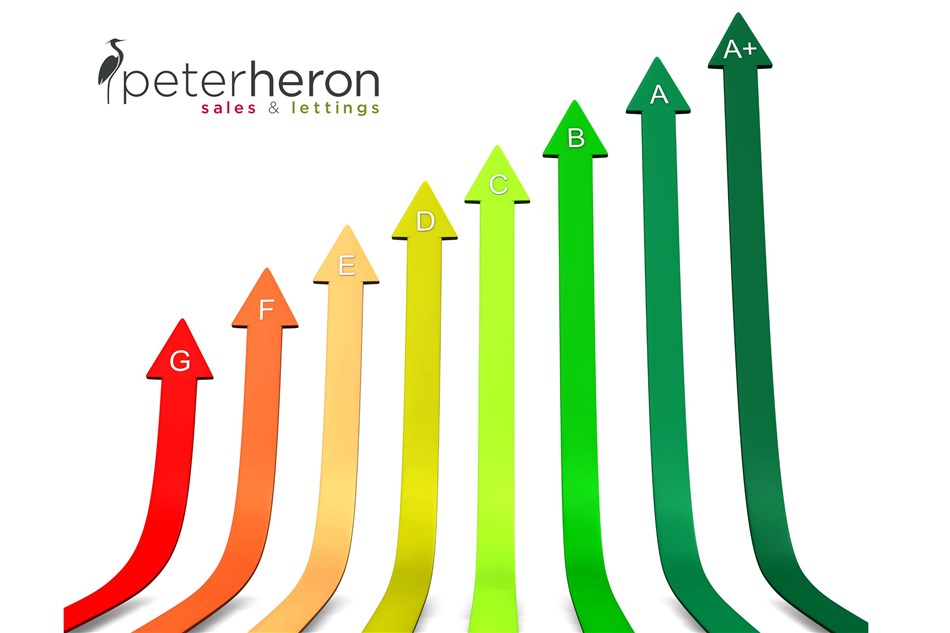
A domestic EPC rates a property from A, the most efficient, to G, the least efficient. It records details such as insulation, windows, heating and hot water systems. You’ll also see a potential rating that shows how the home’s energy efficiency could improve if you make the recommended changes.
It’s worth comparing the potential rating with the current one. Two homes with the same rating might need very different work. One could be improved with a fairly simple insulation upgrade, while another might need more extensive changes. Look at the difference between the current and potential ratings before assuming either home would be easy to improve.
Will the estimated costs match your energy bills?
Use the figures to compare homes rather than to work out exactly what you’ll pay. An EPC uses standard assumptions about how many people live in a home and how they use energy. Your working hours, preferred room temperature and heating habits will affect what you actually spend.
The estimates cover heating, hot water and lighting. They don’t include all the electricity used by appliances so that they won’t reflect your full energy bill. Check the certificate’s date too, and don’t treat an older estimate as a quote based on today’s prices. The Energy Saving Trust’s EPC guide explains the figures and recommendations in more detail.
If you’re concerned about running costs, ask whether the seller can share recent bills and explain how the home is used. A couple who are out during the day may use energy differently from a family that works and studies at home.
Read the recommendations before making an offer
The recommendations can help you work out which improvements to look into and budget for. They include estimated installation costs and potential savings, but they aren’t a contractor’s quote or a renovation plan tailored to the property. Get up-to-date advice and quotes before deciding to buy if the cost of an improvement will affect your decision.
This matters when you’re comparing different types of property in Sunderland. A period terrace in Roker and a newer home elsewhere in the city may suit your lifestyle equally well but need different approaches to insulation and heating. Don’t assume you can tell how energy efficient a home is just from its age. Read the EPC for each property.
If you’re planning major improvements, ask a suitably qualified specialist whether they’re suitable, what ventilation is needed and what order the work should be done in. If you’re looking for help, Sunderland City Council’s energy advice and support page has information on local services.
What should you ask at the viewing?
When you’ve shortlisted homes for sale in Sunderland, keep the EPC handy during viewings. Here are some useful questions to ask:
When was the assessment carried out, and have any improvements been made since?
What’s the heating system and is its service history available?
Has insulation or replacement windows been mentioned?
Have any recommended improvements already been priced or investigated?
An EPC can remain valid for up to ten years, unless replaced by a newer certificate. It might have been issued before improvements you can see at the viewing. Ask for supporting documents rather than guessing what has changed. You can also find the property’s energy certificate on GOV.UK using its postcode or address.
Should a lower rating put you off buying?
A lower rating means it’s worth asking more questions and checking your budget. It doesn’t tell you whether the layout suits you, how well the building has been looked after or whether the location is right for you. A home that needs energy improvements may still suit you if the work is practical and the overall costs make sense.
Keep the EPC alongside the other checks you make when buying a home. It doesn’t replace a home survey or tell you whether the boiler is in good condition or the heating system is safe. Your surveyor and relevant specialists can look into issues that an energy assessment doesn’t cover.
Local advice for your next move
Our award-winning team can help you compare properties and ask sellers questions while keeping your priorities in mind. Please tell us what matters to you, whether that’s manageable running costs, scope for improvements, or a home that needs less work.
Contact Peter Heron on 0191 510 3323 for our Sunderland office or 0191 510 6116 for Fulwell. If you have a property to sell before you buy, book a free valuation to get advice on your move.